Key takeaways
- Describe an active overflow immediately.
- Request an arrival estimate; 24/7 intake does not guarantee an immediate arrival.
- Confirm service-call and after-hours fees before authorizing work.
Make the situation clear at the first call
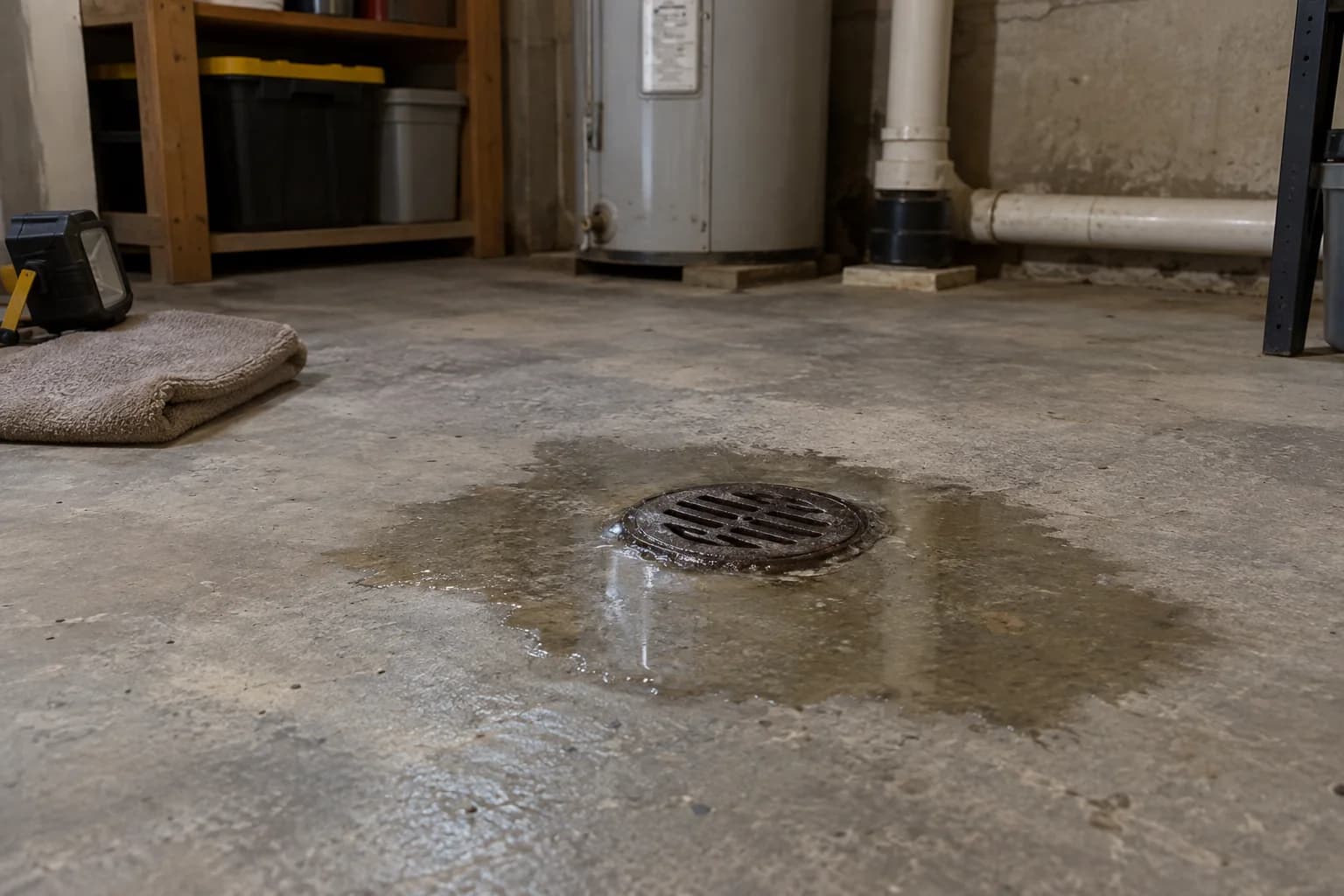
Tell the network where the backup is appearing, whether it is still rising and which fixtures were being used when it started. A floor-drain overflow during laundry gives the contractor different information from a toilet that will not empty on its own. Give the actual service address so the responding contractor can confirm coverage.
Avoid running fixtures simply to demonstrate the problem. Keep people and pets away from wastewater and leave backed-up cleanouts closed. If water has reached electrical equipment or another immediate hazard is present, keep clear and contact the appropriate emergency service.
While arranging service, review the sewer-backup symptom guide so you can describe what happened without recreating an overflow.
What the contractor needs to establish
A service visit starts by identifying the affected line and a suitable access point. Mechanical clearing may be appropriate, but a collapsed section, inaccessible line or another condition can change the proposed work. Ask what the initial service includes and what would require a separate decision.
If several properties seem affected, or you suspect a public sewer problem, Joliet Public Utilities is a separate contact from this contractor referral network. Its emergency number is 815-724-4220; city guidance can help establish whether a municipal response is needed.
When a drain problem needs an urgent call
Call when wastewater is actively rising, a toilet is close to overflowing, or several fixtures have stopped draining and normal water use is making the problem worse. A small overflow at the lowest drain can be the first visible sign of a larger restriction. Tell the person answering whether the water has stopped rising and whether you can safely stay clear of the area.
A slow drain without an overflow still deserves attention, especially when the change is sudden or follows a recent clearing. The important distinction is what is happening now. Describe the situation as it is rather than choosing a diagnosis such as roots or a broken pipe before the line has been assessed.
What happens during an emergency sewer visit
The contractor first needs to understand the affected fixtures, locate a usable access point and consider where the restriction may be. An accessible cleanout can make it possible to work on the shared sewer line without starting at an individual fixture. Where access is missing or unsuitable, the contractor should explain the alternative and any additional work involved.
The immediate goal may be to restore drainage. A suitable cable and cutting attachment can be considered for mechanical clearing; other conditions may call for a different approach. If a passage can be opened, a controlled flow check helps evaluate the result. A camera inspection may then help explain a recurring problem, but it is a separate step unless included in the agreed scope.
Prepare for the visit without worsening the backup
Pause washing machines, dishwashers and other unnecessary water use while wastewater is returning. Avoid flushing affected toilets again. Keep children and pets away from the area, and move belongings only from a safe, dry location. Do not open a cleanout that may be holding backed-up wastewater.
Have the service address, a reachable phone number and any previous plumbing records ready. For a rental or shared building, identify who can authorize work and provide access. Mention locked gates, basement stairs or a cleanout behind stored items when arranging the visit so the contractor can plan access.
Confirm emergency pricing before work starts
Ask whether there is a service-call charge, an after-hours charge or a minimum charge for the visit. Then ask what clearing work is included, whether inspection costs extra and what happens if the obstruction cannot be reached. A useful estimate identifies the line and the proposed work rather than relying on an unexplained “emergency service” total.
If the contractor finds a damaged section, restoration and repair can become separate decisions. Ask to see the available evidence, request a written scope and approve changes before additional work begins. Clearing a blockage is not a guarantee that a damaged line has been repaired.
Questions you may have
Can you promise a response time?
Availability depends on the contractor, location and current workload. Confirm an estimated arrival when your request is accepted.
Will a service request book an appointment?
A request starts the referral process. The responding contractor must confirm your appointment and scope.
Should I call or submit the callback form for a backup?
Call for an active backup or overflow. The callback form is for a request that can wait for a return call; submitting it does not confirm dispatch or an appointment.
Can I send details before the contractor arrives?
Keep a short description, earlier service notes and any existing inspection report ready. Ask the responding contractor how to share them. Do not enter a contaminated or unsafe area just to obtain a photo.
What should I ask after flow is restored?
Ask which line was cleared, what was found, how drainage was checked and whether an obstruction or damaged section remains. Keep the invoice and any footage so a future visit can build on the findings.